Golden Shilajit Official | EUROFINS Tested | Pure Himalayan Shilajit Resin

The Ultimate Guide to the Best Shilajit in Pakistan: Purity, Authenticity, and Benefits
Discover how to identify Best Shilajit in Pakistan. Learn about purity, fulvic acid, Eurofins lab testing, benefits, and how to avoid fake Shilajit products.
Golden Shilajit Research Team
5/25/202611 min read
What is Shilajit?
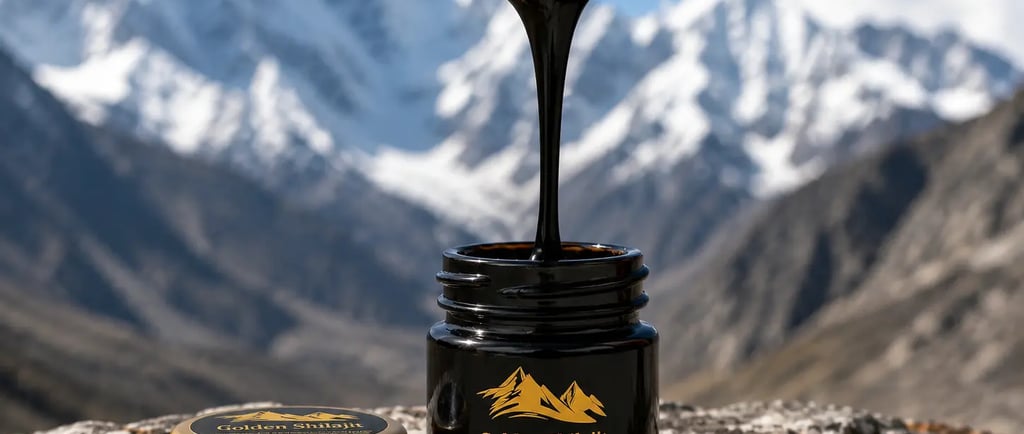
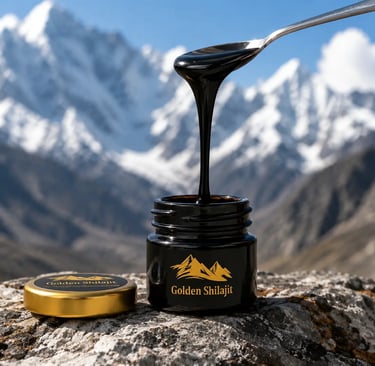
Shilajit is a potent and bioactive substance found primarily in the mountain ranges of the Himalayas, Caucasus, and Altai regions. It is a thick, sticky resin that emerges from the decomposition of plant matter over centuries, acting as a natural preservative. Traditionally, shilajit has been utilized in ancient medicine systems, particularly in Ayurveda, as an adaptogen to enhance physical performance, boost immune function, and promote overall well-being. Its long-standing heritage in holistic practices has sparked interest in its diverse health benefits.
The chemical composition of shilajit includes a rich array of over 85 minerals, vitamins, and other organic compounds, making it a complex natural supplement. One of the most significant components of shilajit is fulvic acid, which aids in the absorption of nutrients and enhances cellular energy production. Fulvic acid is known for its antioxidant properties, which assist in neutralizing free radicals, thereby supporting cellular health and longevity. The high mineral content, combined with fulvic acid, makes shilajit a unique substance, differentiating it from other natural supplements.
Sourcing shilajit primarily involves harvesting from high-altitude rocks and cliffs. The resin is collected during warmer months when it becomes soft and pliable due to the heat of the sun. It is crucial that shilajit is harvested sustainably and tested for purity, as the quality can vary greatly depending on the region and method of extraction. Authentic shilajit, which originates from the Himalayan region, is often regarded as the highest quality due to its natural composition and synergistic effects on human health. As such, understanding the origins and characteristics of shilajit can help individuals make informed choices when selecting this supplement.
Why Authenticity Matters
Authenticity is a crucial factor when it comes to sourcing shilajit, a natural substance celebrated for its numerous health benefits. Genuine shilajit is rich in organic compounds, minerals, and fulvic acid, components that contribute to its medicinal properties. When consumers opt for authentic shilajit, they can rest assured that they are reaping the maximum benefits attributed to this ancient remedy. The presence of these beneficial compounds can lead to improved energy levels, better cognitive function, and overall enhanced well-being.
However, the market is rife with counterfeit products that claim to offer the same benefits as genuine shilajit. These fake alternatives often lack the essential nutrients found in authentic shilajit and may even contain harmful substances. The consumption of counterfeit shilajit can pose serious health risks, including allergic reactions and adverse effects on vital organs. Therefore, it is imperative to verify the authenticity of the shilajit one intends to use, ensuring that it meets the necessary purity standards.
Beyond health risks, the lack of authenticity can also lead to a skepticism regarding the efficacy of natural supplements in general. When consumers frequently encounter imitation products, they may question the integrity of the industry as a whole, leading to distrust in genuinely beneficial natural health products. Thus, understanding and ensuring authenticity not only protects individual health but also helps preserve the reputation and reliability of shilajit as a natural remedy.
The rising consumer awareness towards purity and authenticity highlights the need for transparent sourcing and quality assessments. By choosing verified and reputable suppliers, consumers can mitigate risks and reap the true benefits of shilajit. Ultimately, the focus on authenticity reinforces the significance of informed decision-making in the pursuit of health and wellness.
Real vs Fake Shilajit in Pakistan
Shilajit, a potent mineral-rich substance found in the Himalayan mountains, has garnered considerable attention for its numerous health benefits. However, the increasing demand has also led to a proliferation of counterfeit products in the market. Differentiating between authentic Shilajit and its inferior alternatives is crucial for consumers seeking real health benefits.
The first distinguishing feature lies in the appearance of the product. Genuine Shilajit typically has a thick, sticky texture resembling tar, while fake versions may appear more like a paste or even a powder. Authentic Shilajit usually has a dark brown to black color, whereas falsified versions can vary widely, often displaying a dull black shade that lacks the glossy sheen of pure resin.
Taste is another key indicator; real Shilajit possesses a rich, earthy flavor with a slightly bitter undertone, correlating with its high mineral content. In stark contrast, low-quality or fake Shilajit can have a sour or overly sweet taste, which can be a red flag for consumers.
Additionally, when examining labels and descriptions, it is essential to look for terms like "purified resin" and "natural Shilajit." Products marketed as mere "black marketplace paste" are often a blend of fillers and synthetic additives, which can compromise health outcomes and provide no genuine benefits. Authentic Shilajit will often indicate its source, purity level, and mineral composition, while counterfeit options may lack this transparency.
In summary, thoroughly assessing the appearance, taste, and labeling of Shilajit products is vital for identifying real versus fake offerings in Pakistan. Ensuring the purchase of authentic Shilajit not only enhances health benefits but also safeguards against potential adverse effects from consuming low-quality alternatives.
How Lab Testing Works
Lab testing plays a crucial role in verifying the purity and authenticity of shilajit products. Reputable brands prioritize the integrity of their offerings by conducting comprehensive tests, ensuring that consumers receive high-quality and safe supplements. The testing process typically involves several methodologies, each designed to identify various components and contaminants.
One common method used in lab testing is Inductively Coupled Plasma Mass Spectrometry (ICP-MS). This highly sensitive technique allows for the detection of heavy metals, such as lead, arsenic, and mercury, which can be harmful if consumed. By analyzing shilajit samples through ICP-MS, laboratories ensure that these toxic elements are present below acceptable limits, providing consumers with peace of mind regarding their health.
Additionally, lab testing assesses the chemical composition of shilajit. This includes evaluating the concentration of beneficial minerals and other bioactive compounds. Since shilajit is known for its rich nutritional profile, consumers should look for test results that illustrate a high level of these beneficial constituents. Moreover, examining the presence of specific markers, such as fulvic acid levels, can help determine the product's efficacy.
For consumers aiming to evaluate lab results effectively, it is essential to seek out brands that provide transparency in their testing procedures. This includes access to Certificates of Analysis (CoA), which detail the findings from these tests. A legitimate brand will not hesitate to share its lab results, making it simpler for consumers to make informed decisions regarding the quality and authenticity of the shilajit they consider for their health regimen. In light of this, understanding the importance of lab testing and recognizing reputable practices is paramount for anyone seeking to incorporate shilajit into their wellness routine.
Understanding Fulvic Acid
Fulvic acid is a complex organic acid formed through the humification process, where plant and microbial matter undergo decomposition. It is a crucial component of shilajit, a mineral-rich resin found in the Himalayas and other mountainous regions. The significance of fulvic acid lies in its ability to enhance nutrient absorption, making it a valuable element for health and wellness. This organic compound acts as a natural chelator, binding to minerals and nutrients in the body and facilitating their transport into cells, thereby improving bioavailability.
The concentration of fulvic acid in shilajit is paramount for its effectiveness. Higher levels not only contribute to the potent antioxidant properties of shilajit but also promote various health benefits, including improved mental clarity, enhanced energy levels, and better immune function. When selecting shilajit products, consumers should pay attention to the fulvic acid content, typically expressed as a percentage on product labels. Reliable sources will provide lab-tested results that validate these claims, while many unverified products may exaggerate their fulvic acid concentrations.
To extract fulvic acid from shilajit, a careful process is employed, maintaining the delicate balance of bioactive compounds. Pure shilajit undergoes rigorous filtration and sometimes extraction with purified water or mild solvents to ensure the preservation of its therapeutic properties. This extracted fulvic acid can range widely in purity and concentration, which is why lab testing is critical. Products lacking such verification may lead to misinformation regarding the actual health benefits, potentially compromising the user's experience. Therefore, consumers interested in the therapeutic advantages of shilajit should prioritize acquiring products with transparent sourcing and independent lab certifications for their fulvic acid content.
Why Cheap Shilajit Can Be Risky
When navigating the market for shilajit, particularly in Pakistan, consumers may be tempted by low-price offerings. However, opting for inexpensive shilajit can lead to significant health risks and suboptimal experiences. One of the primary concerns with cheaper shilajit is its potential contamination. Many producers who sell low-quality shilajit may not adhere to strict processing and purification standards. This laxity can result in a product that contains harmful substances, such as heavy metals, toxins, or fillers that are detrimental to health.
Additionally, cheap shilajit often lacks the beneficial compounds that confer its reputed health advantages. Authentic shilajit is rich in minerals, fulvic acid, and other bioactive components that contribute to overall well-being. When sourcing shilajit at a low price point, one risks obtaining a product devoid of these essential nutrients, thus reducing its efficacy and potential benefits.
The economic rationale behind the pricing of high-quality shilajit cannot be overstated. Ethical sourcing, rigorous testing, and careful processing require control and investment in every aspect of production. As a result, higher-priced shilajit represents not only the cost of raw materials but also the safe and effective practices essential for providing a superior product. While it may seem tempting to save money, sacrificing quality for price can ultimately lead to higher costs in terms of health and wellness.
Furthermore, consumers should consider the emotional aspects of their health choices. Purchasing low-quality shilajit can erode trust in brands and product integrity. Conversely, investing in high-quality, authentically sourced shilajit fosters a sense of confidence in one's health choices, supporting a loyal relationship with trusted suppliers.
How to Choose the Best Shilajit Brand
When selecting the best Shilajit brand in Pakistan, it is essential to consider several factors that contribute to the purity and authenticity of the product. First and foremost, examine the product descriptions provided by manufacturers. Credible brands often offer detailed information regarding the sourcing and composition of their Shilajit. Authentic Shilajit is generally sourced from the high-altitude regions of the Himalayas, and reputable suppliers should clearly mention this in their packaging.
Certification plays a critical role in verifying the quality of Shilajit. Brands that go through rigorous quality control processes will often have certifications from recognized authorities. These certifications indicate that the product has undergone lab testing for contaminants and potency. Look for certifications such as GMP (Good Manufacturing Practice) or ISO, as they signal that the brand adheres to health and safety standards.
Packaging can also provide insights into the integrity of the product. Ideally, Shilajit should be stored in dark glass containers, as this helps protect it from light and moisture which can degrade its quality. Avoid brands that use plastic packaging, as it may not offer the same level of protection and could potentially leach harmful chemicals into the product.
Brand reputation is another key consideration when choosing the best Shilajit. Research customer reviews and testimonials online to gauge the experiences of other consumers. A well-regarded brand will likely have a strong presence on social media platforms and health forums, where users discuss their benefits and share their individual experiences. This community feedback can serve as an invaluable resource when making a decision.
Ultimately, transparency is vital when assessing Shilajit brands. Brands that provide comprehensive information about their sourcing, testing, and customer service practices are more likely to deliver a product that meets expectations. Therefore, your diligence in researching these aspects will guide you in choosing the right Shilajit for your needs.
Why Golden Shilajit Pakistan Focuses on Testing and Transparency
Golden Shilajit Pakistan stands out in the marketplace due to its unwavering commitment to quality assurance, primarily showcased through rigorous testing and transparency in its processes. In an industry where the authenticity and purity of natural products like shilajit are paramount, this company prioritizes delivering only the highest quality shilajit to its customers. The reliability of a product is often determined by the practices that underpin its sourcing and distribution, making Golden Shilajit Pakistan’s approach particularly noteworthy.
The company implements standardized testing as part of its quality control protocol. Each batch of shilajit is subjected to comprehensive laboratory analysis to ascertain its purity and potency. This meticulous testing not only ensures that harmful contaminants or additives are absent but also verifies that the shilajit meets high-performance criteria. By adhering to such stringent testing measures, Golden Shilajit Pakistan cultivates trust among its consumers, providing them with confidence in the product they are purchasing.
Furthermore, transparency is a critical component of their operational philosophy. Golden Shilajit Pakistan openly shares its testing results and sourcing methods with customers, allowing consumers to make informed choices based on verifiable data. This level of transparency enables a stronger engagement with customers, as they can see the dedication towards providing authentic shilajit. As a result, the company not only establishes a reputation for reliability but also enhances customer loyalty.
In the context of natural supplements, the emphasis on quality through rigorous testing and transparency distinguishes Golden Shilajit Pakistan from other players in the market. Customers can, therefore, be assured that what they are receiving is a premium and authentic product that lives up to the claims made by the company. This steadfast commitment ultimately cements the brand's position as a trusted provider of shilajit in Pakistan.
Frequently Asked Questions About Shilajit
Shilajit, a natural substance found predominantly in the Himalayas, has gained traction for its purported health benefits. With its increasing popularity, many individuals have questions regarding its usage, efficacy, and safety. This section addresses common concerns related to shilajit, providing informed answers based on credible sources.
How should shilajit be consumed? Typically, shilajit is available in resin or powder form. The common recommendation for consumption is to dissolve a small amount (around 300-500 mg) in warm water, milk, or herbal tea. This method may enhance its absorption and effectiveness. Maintaining consistency in consumption is also crucial for obtaining optimal benefits.
What is the recommended dosage? While there is no one-size-fits-all dosage due to individual differences, general guidelines suggest that adults can safely take 300-500 mg per day. It is advisable to start with a lower dose to assess tolerance before gradually increasing the amount if needed. Always consult with a healthcare professional prior to initiating any supplements, especially if individuals have pre-existing health conditions.
Are there any potential side effects? Although shilajit is considered safe for most individuals, some might experience minor side effects such as digestive upset, allergic reactions, or dizziness. Individuals with certain conditions, such as hemophilia or those taking blood-thinning medications, should exercise caution due to shilajit's potential effects on blood pressure and clotting.
Is shilajit safe for everyone? Generally, shilajit is safe for healthy adults, however, pregnant or breastfeeding women, children, and individuals with specific health issues should steer clear unless discussed with a healthcare provider. It is vital to ensure that the shilajit being consumed is sourced from reputable suppliers to ensure purity and authenticity.
Final Buyer Guide
When considering the purchase of shilajit in Pakistan, it is essential to approach your decision with careful deliberation. Due to the burgeoning market and varying qualities available, consumers must remain vigilant to ensure they are obtaining pure and authentic products. Here are several key points to keep in mind during your selection process:
1. Source and Purity: Investigate the source of the shilajit. Always opt for products that clearly state their origin, particularly if they are sourced from known Himalayan regions. Genuine shilajit should be dark brown or black, with a thick, resinous texture.
2. Certifications: Look for certifications that confirm the product's purity and authenticity. Reputable brands often provide third-party lab test results to verify that they meet safety and quality standards.
3. Customer Reviews: Reading customer reviews can provide insights into the product's effectiveness and reliability. Look for feedback from verified purchasers to gauge satisfaction and authenticity.
4. Brand Reputation: Research brands that are known for their integrity in the market. Established brands usually have a proven track record and are more likely to offer high-quality shilajit.
5. Price: While it's important not to compromise on quality for the sake of lower costs, be wary of overly inflated prices. Authentic shilajit usually falls within a reasonable price range.
6. Usage Instructions: Ensure that the product packaging includes clear instructions for usage and dosage. Proper guidance enhances both the effectiveness and safety of shilajit consumption.
By keeping these considerations in mind, consumers can make informed decisions when purchasing shilajit. For those ready to buy, consider exploring trusted online retailers and local herbal shops that specialize in authentic wellness products. This approach will guide you to the best shilajit available, ensuring you harness its benefits effectively.
Contact
Follow
info@goldenshilajit.pk
Whatsapp-03348455205
© 2026. Golden Shilajit offcial All rights reserved.
Golden Shilajit Pakistan is a registered brand of Himalayan Innate Pvt Ltd.
Unauthorized sale or distribution is strictly prohibited and will result in legal action.
These statements have not been evaluated by the Food and Drug Administration. This product is not intended to diagnose, treat, cure, or prevent any disease.